Asia’s cultural richness comes with some traditions that might make Western travelers do a double-take. While some customs seem bizarre at first glance, they often hold deep historical or spiritual significance. Understanding these practices will not only prevent awkward moments but also help you connect more meaningfully with local cultures. Let’s explore five of the most fascinating cultural quirks across Asia.
1 – Japan’s No-Tipping Policy That Feels Like an Insult
In Tokyo’s impeccable restaurants or Kyoto’s tranquil ryokans, leaving extra cash after a meal isn’t just unnecessary—it can actually offend your server. Japanese service culture operates on principles of pride and perfectionism, where excellent service is considered standard rather than something requiring additional reward. Imagine a waiter chasing you down the street to return those yen notes you left on the table! This custom stems from Japan’s collective social harmony philosophy, where overt displays of individual reward disrupt the balance. Instead of tipping, travelers should express gratitude through respectful bows and sincere verbal thanks. In upscale traditional inns, a small wrapped gift from your home country makes a more appropriate gesture than cash.
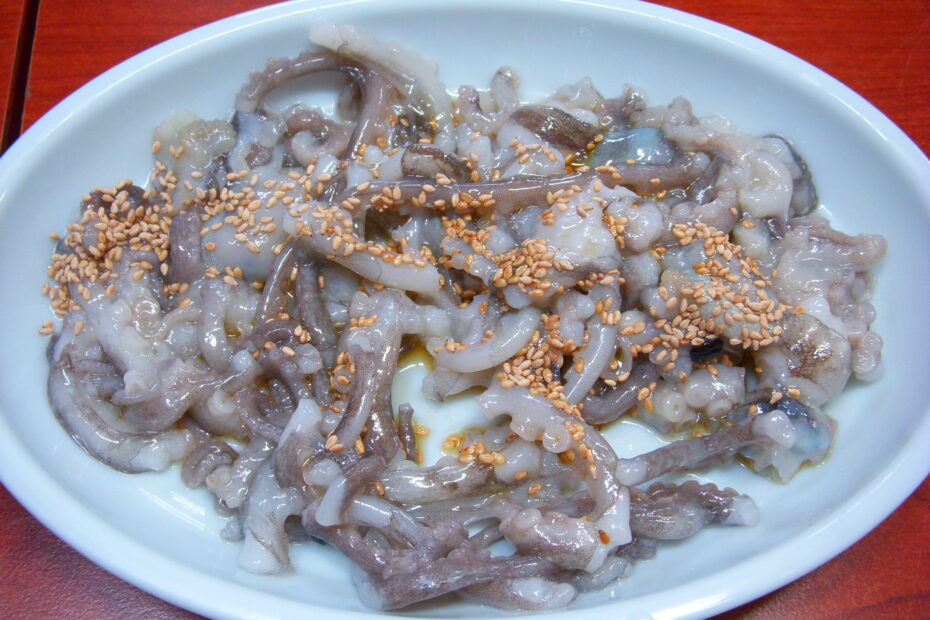
2 – South Korea’s Thrill-Seeking Live Octopus Dining
Walking through Seoul’s Noryangjin Fish Market, you’ll encounter one of Korea’s most extreme culinary experiences—sannakji. This dish features freshly severed octopus tentacles that continue writhing on your plate, their suction cups still active when they reach your mouth. While the concept might seem shocking (and potentially hazardous, given the choking risk), locals view it as the ultimate test of a foodie’s bravery and appreciation for ultra-fresh seafood. The ritual involves dipping the still-moving pieces in sesame oil to help them slide down more easily, with careful chewing to prevent any adventurous tentacles from clinging to your throat. This tradition persists because Koreans believe sea creatures taste best when consumed at peak freshness, with the nerve activity seen as proof of quality rather than cruelty.
3 – Thailand’s Sacred Head Taboo
While Westerners might casually pat a child’s head or ruffle a friend’s hair, these gestures land very differently in the Land of Smiles. Thai culture considers the head the most sacred part of the body—the literal dwelling place of the khwan (life spirit). Even pointing your feet toward someone’s head (say, when stretching out on a train) constitutes serious disrespect. This belief stems from Buddhist and animist traditions that associate the head with spiritual purity while viewing feet as the lowest and dirtiest body part. You’ll notice Thais instinctively duck when passing between people or objects at head level, maintaining this spiritual etiquette. When interacting with locals, keep your hands to yourself and avoid any head contact, no matter how well-intentioned. If you need to pass something to someone, offer it at chest level rather than reaching over their head.
4 – India’s Colorful Superstitions About Whistling Indoors
As you explore India’s vibrant markets or relax in heritage havelis, you might be startled if someone hushes your cheerful whistling. Local folklore maintains that whistling indoors invites financial misfortune or even summons snakes—a belief that traces back to ancient agricultural communities where certain whistling sounds resembled snake charmers’ tunes. In some regions, people think nighttime whistling attracts spirits or thieves. These superstitions vary by area but remain surprisingly prevalent. You’ll find many traditional households and shops with a strict no-whistling policy, especially after dark. While enforcement isn’t universal, sensitive travelers should tone down their melodies in enclosed spaces. Interestingly, this custom has practical roots too—in pre-electricity eras, whistling could mask important nighttime warning sounds like approaching danger or distressed animals.
5 – China’s Grave Gift-Giving With Paper Replicas
During Qingming Festival (Tomb-Sweeping Day) or Hungry Ghost Month, Chinese families honor ancestors by burning meticulously crafted paper replicas of luxury goods—from iPhones to sports cars to even paper yachts. At first glance, this tradition might resemble playful arts and crafts, but it represents a profound spiritual practice. The belief holds that these paper offerings transform into real items in the afterlife, ensuring departed loved ones enjoy comfort and status. Specialty shops sell shockingly detailed paper creations, including designer handbags with tiny paper credit cards inside. This custom blends Confucian filial piety with Taoist afterlife concepts, maintaining emotional connections across generations. While outsiders might find the practice unusual, participants approach it with deep reverence—some even “test drive” paper cars before burning them to ensure proper functionality in the spirit world.
Embracing the Unfamiliar With Respect
These five customs—from Japan’s tipping aversion to China’s paper offerings—reveal how cultural values manifest in surprising ways. What seems strange initially often makes perfect sense within its cultural context. The most rewarding travels happen when we approach differences with curiosity rather than judgment. After all, our own customs probably seem just as bizarre to locals! By understanding these traditions, you’ll avoid unintentional offenses and might even gain new perspectives on life’s big questions.
Have you encountered any other surprising customs during your Asian travels? Share your experiences in the comments—we’d love to hear which traditions made you pause and reconsider what’s “normal”!

Lisa Jaz Montgomery is a passionate traveler, storyteller, and adventure seeker from the USA. With a backpack full of curiosity and a heart that craves new experiences, she has explored over 30 countries—from the bustling streets of Tokyo to the serene beaches of Costa Rica.
Through her blog, Lisa shares honest travel guides, cultural insights, and personal stories that inspire others to embrace the unknown. Whether she’s hiking through national parks, sampling street food in hidden markets, or navigating language barriers with a smile, her mission is to prove that travel is for everyone—no matter your budget or background.
When she’s not on the road, Lisa enjoys photography, learning new languages (badly but enthusiastically), and planning her next escape. Follow her journey as she turns misadventures into memories and reminds readers that the best stories begin where the comfort zone ends.