There’s nothing quite like the freedom of exploring new destinations on two wheels—whether you’re a cyclist chasing scenic routes or a motorcyclist craving open-road adventures. But traveling with your bike requires careful planning to ensure a smooth, stress-free journey. From packing strategies to transport logistics, these five essential tips will help you bring your bike along safely so you can focus on the ride, not the hassle.
1. Choose the Right Transport Method
How you transport your bike depends on your mode of travel:
- By Air: Most airlines allow bikes as checked baggage, but policies vary. Use a hard-shell bike case for maximum protection, or a padded bike bag if you’re on a budget. Remove pedals, loosen the handlebars, and deflate tires slightly to prevent pressure changes from causing damage.
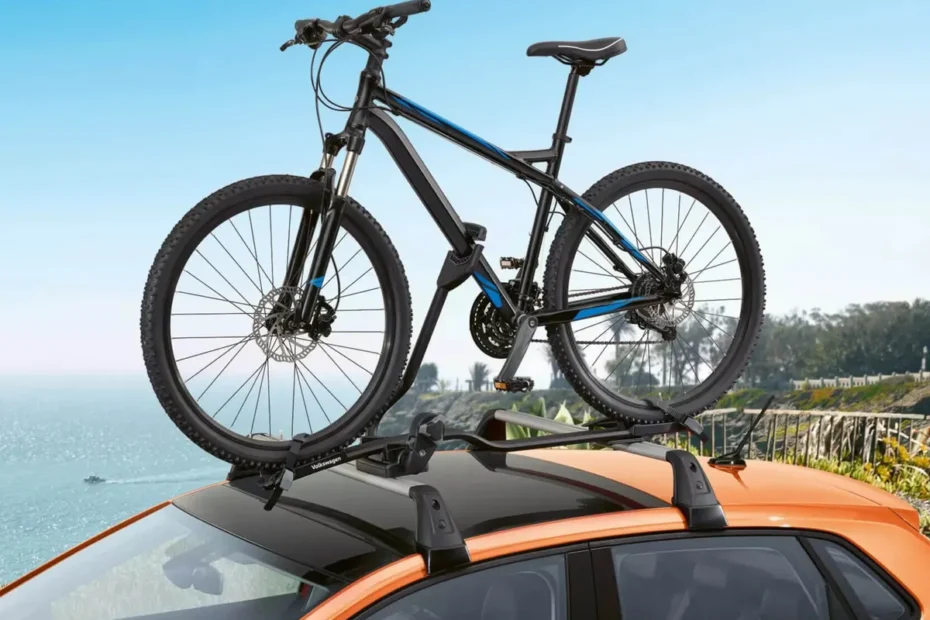
- By Car: Roof racks, hitch mounts, and trunk carriers are popular options. A hitch-mounted rack is the most stable for long trips, while a roof rack saves trunk space. Secure the bike with straps and use frame protectors to avoid scratches.
- By Train/Bus: Check ahead—some services require bikes to be disassembled or stored in a bag. Folding bikes are ideal for public transport.
2. Pack Smart: Protect Your Bike
Proper packing prevents damage in transit:
- Disassemble Key Parts: Remove wheels, pedals, and seat post (for bicycles). For motorcycles, consider removing mirrors and windscreens if space is tight.
- Use Padding & Protection: Bubble wrap, foam tubing, and zip ties keep components secure. Cover the chain to avoid grease stains.
- Lock It Down: Even if your bike is packed, use a cable or U-lock to deter theft during stops.
3. Prepare for the Unexpected
Flat tires, loose bolts, and minor breakdowns can happen. Pack a basic repair kit:
- For Bicycles: Spare tube, tire levers, mini pump, multi-tool, and chain lube.
- For Motorcycles: Tire repair kit, spare fuses, duct tape, and a compact toolset.
Also, carry copies of important documents (registration, insurance) and research bike-friendly repair shops along your route.
4. Check Local Regulations & Accommodations
Before hitting the road:
- Verify Bike Policies: Some hotels, Airbnbs, and campgrounds have strict rules about storing bikes indoors. Call ahead to confirm.
- Know Traffic Laws: If riding in a new country, research local cycling/motorcycle laws—helmet requirements, lane-splitting rules, and toll roads.
- Parking Security: When stopping overnight, choose well-lit areas or ask if your lodging has secure bike storage.
5. Optimize Your Bike for Travel
A few adjustments make riding smoother post-transport:
- Reassemble & Test: After unpacking, double-check bolts, tire pressure, and brakes before riding.
- Lube the Chain: Travel can dry out lubricant—reapply before hitting the road.
- Do a Short Test Ride: Ensure everything feels right before embarking on a long journey.
Final Thoughts
Traveling with your bike or motorcycle opens up incredible adventures—but preparation is key. By choosing the right transport method, packing carefully, preparing for repairs, checking local rules, and tuning up upon arrival, you’ll enjoy every mile worry-free.
Now, all that’s left is to hit the road and let the journey unfold. Where will your next two-wheeled adventure take you?

Lisa Jaz Montgomery is a passionate traveler, storyteller, and adventure seeker from the USA. With a backpack full of curiosity and a heart that craves new experiences, she has explored over 30 countries—from the bustling streets of Tokyo to the serene beaches of Costa Rica.
Through her blog, Lisa shares honest travel guides, cultural insights, and personal stories that inspire others to embrace the unknown. Whether she’s hiking through national parks, sampling street food in hidden markets, or navigating language barriers with a smile, her mission is to prove that travel is for everyone—no matter your budget or background.
When she’s not on the road, Lisa enjoys photography, learning new languages (badly but enthusiastically), and planning her next escape. Follow her journey as she turns misadventures into memories and reminds readers that the best stories begin where the comfort zone ends.